Finding out your personal information has been exposed triggers a very specific kind of fear. You don’t see fraud yet. Nothing has been charged. Your credit still looks normal.
But you know something is wrong.
This moment — after exposure, before fraud — is the most important window in identity protection. It’s also the moment most people mishandle.
Identity theft doesn’t usually start with a stolen account. It starts with exposure, followed by testing, aggregation, and finally exploitation.
This guide walks through exactly what to do once your identity is exposed, how to contain damage before fraud happens, and how to build a response layer that works before alerts ever fire.
First: What “Identity Exposure” Actually Means
Identity exposure does not always mean a breach notification or a hacked account.
Exposure can happen when:
- Your data appears in a breach database
- Your information is listed on data broker sites
- Your email or phone number is sold to third parties
- Your SSN fragments circulate across marketplaces
- Your personal profile becomes searchable online
According to the Consumer Financial Protection Bureau’s fraud guidance, most identity theft victims don’t realize exposure happened until weeks later — often after financial damage.
The goal is to act before that point.
The 48-Hour Rule After Identity Exposure
The first 48 hours after discovering exposure are critical.
This is when criminals:
- Test credentials quietly
- Verify data accuracy
- Combine broker profiles
- Prepare targeted attacks
No alerts fire during this phase.
That’s why relying on traditional monitoring alone is risky — it reacts too late.
Immediate Containment Checklist (Before Fraud Occurs)
1. Lock Down Your Primary Email
Your email is the master key to your identity.
Immediately:
- Change your email password
- Enable app-based multi-factor authentication
- Review account recovery settings
- Remove unfamiliar backup emails or phone numbers
Most account takeovers begin with email compromise.
2. Freeze Your Credit — But Understand Its Limits
A credit freeze blocks new accounts from being opened in your name.
You should freeze your credit with all three bureaus:
- Experian
- Equifax
- TransUnion
The FTC’s identity theft response checklist confirms this as a foundational step.
However, a credit freeze:
- Does NOT remove exposed data
- Does NOT stop existing account misuse
- Does NOT prevent social engineering
It’s a defensive layer — not a solution.
3. Secure Financial and Recovery Channels
Change passwords and enable MFA for:
- Banking apps
- Credit cards
- Investment platforms
- Payment services
- Cloud storage
Pay special attention to recovery phone numbers and backup emails — attackers often exploit these.
4. Audit Active Sessions and Devices
Many platforms allow you to view active sessions.
Immediately:
- Log out of all sessions
- Remove unknown devices
- Update device operating systems
This shuts down silent access paths.
What NOT To Do After Identity Exposure
Most mistakes happen here.
Do NOT Wait for Alerts
Alerts trigger after damage, not before it.
Do NOT Assume “No Charges” Means Safety
Testing phases can last weeks.
Do NOT Manually Opt Out of One or Two Brokers and Stop
Exposure rarely comes from a single source.
Do NOT Ignore Behavioral Signals
Password resets, failed logins, or unusual emails matter.
The Real Threat Most People Miss: Data Broker Resale
After exposure, personal data spreads through broker networks.
Each resale increases:
- Attack surface
- Accuracy of impersonation
- Success of social engineering
This is why exposure often leads to fraud weeks later.
For a deeper explanation of this chain, see how data brokers buy, sell, and expose personal information.
Why Traditional Monitoring Fails at This Stage
Most identity monitoring tools focus on:
- Credit changes
- Known breach lists
- Post-event alerts
They do not:
- Remove data
- Stop resale
- Detect early aggregation
- Respond before fraud
This gap is why many victims say monitoring “didn’t help.”
To understand this limitation in depth, review why identity monitoring alone no longer works in 2026.
How Clever Shield Acts as a First Response Layer
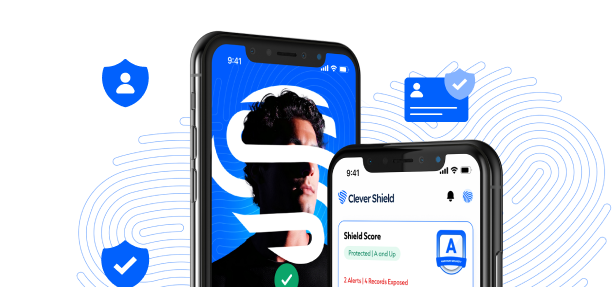
Clever Shield is designed specifically for the post-exposure, pre-fraud window.
Automated Data Broker Removals
Instead of manual opt-outs, Clever Shield continuously removes your information from broker databases and tracks reappearance.
Real-Time Identity Monitoring Beyond Credit
Monitoring includes emails, phone numbers, SSNs, and behavioral risk signals — not just credit files.
Early Threat Detection
If exposed data appears in risky environments, Clever Shield flags it before fraud happens.
Restoration Infrastructure
If misuse occurs, licensed specialists manage the response — not the victim.
This layered approach aligns with modern identity protection frameworks recommended by federal cybersecurity guidance.
The Bottom Line
Identity exposure is not the same as identity theft — yet.
But exposure is the moment where prevention still works.
If you act early, you can:
- Contain damage
- Reduce attack surface
- Prevent escalation
- Avoid months of restoration
Once fraud happens, the cost — financial and emotional — multiplies.
If you suspect your information is already circulating, start by understanding where your data appears and remove it before it’s weaponized.
Because the best identity protection happens before the alert.