Answer First: What Identity Monitoring Actually Does in 2026
Identity monitoring is a service that continuously scans multiple data sources for signs that your personal information is being exposed, traded, or misused. When it detects something suspicious, it sends you an alert so you can respond. That’s the core function—detection and notification, not prevention.
An identity monitoring feature typically scans the dark web and other sources for your personal information and provides alerts if suspicious activity or data breaches are detected, often as a free service.
In practice, identity monitoring services track specific pieces of your personal information across credit files, data breaches, dark web markets, and public records. This includes your social security number, email addresses, phone numbers, bank account details, driver’s license numbers, and other sensitive documents that criminals prize. Monitoring your credit score is also a crucial part of identity protection, as changes can signal fraudulent activity. The goal is to spot trouble before it spirals into full-blown identity fraud.
Consider a 2024 payroll breach that leaked thousands of SSNs from a mid-sized employer. An identity monitoring service scanning dark web markets might detect your number in that stolen dataset and alert you within days. Or imagine a 2023 loan application submitted using your stolen SSN in another state. Credit monitoring could flag the new inquiry on your credit report and notify you that someone is trying to open new accounts in your name.
The Federal Trade Commission (FTC) plays a key role in providing resources and support for identity theft victims, helping them report incidents and navigate the recovery process.
Here’s what trips up most people: monitoring itself does not stop fraud. It detects signals and generates alerts after your data is used or exposed. By the time you get that notification, the damage may already be in motion. This is exactly why relying on monitoring alone can leave you vulnerable.
ID theft, or identity theft, is a crime where someone uses your personal information without permission, often to commit fraud or other crimes. To help prevent or detect this, many people turn to ID theft protection services, which offer comprehensive monitoring and alert systems to safeguard your information.
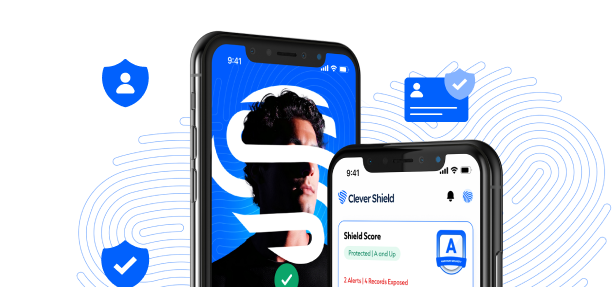
Clever Shield takes a different approach. Beyond the real-time alerts you’d expect from any identity monitoring service, Clever Shield automates data removal from people-search sites and data brokers, creates a secure paper trail for disputes, and backs you with up to $1 million in identity theft insurance. It’s not just about knowing there’s a problem—it’s about having someone actually fix it.
Identity theft is a common crime, with some experts estimating a case of identity theft occurring every 22 seconds. In 2023, nearly a million Americans fell victim to identity theft, losing nearly $2 billion dollars.
Understanding Identity Theft
Identity theft is a growing threat in today’s digital world, where your personal and financial information can be stolen and misused in a matter of minutes. At its core, identity theft occurs when someone gains access to your sensitive data—like your social security number, credit or debit card numbers, bank account details, or other important documents—and uses it without your permission. This can lead to fraudulent purchases, unauthorized new accounts, or even the draining of your savings.
Criminals use a variety of tactics to steal sensitive information. Data breaches at major companies can expose millions of credit reports and bank account numbers overnight. Phishing scams trick you into revealing personal information through fake emails or websites. Even physical theft—like stealing mail or important documents from your trash—can give identity thieves what they need.
To proactively protect yourself from identity theft, it’s essential to monitor your credit report regularly, use strong passwords for your online accounts, and be cautious about sharing personal information. Identity theft protection services can add another layer of defense, offering features like credit monitoring, dark web surveillance, and identity restoration support if your information is compromised. By staying vigilant and using the right tools, you can help safeguard your identity and financial information from falling into the wrong hands.
Types of Identity Theft
Identity theft isn’t a one-size-fits-all crime—there are several ways criminals can exploit your information, each with its own risks and consequences. The most common form is financial identity theft, where someone uses your credit or debit card numbers, or other financial information, to make unauthorized purchases or open new accounts in your name. This can quickly damage your credit and drain your accounts.
Medical identity theft is another serious threat. Here, a thief uses your personal information to receive medical care, fill prescriptions, or submit false insurance claims, potentially leaving you with unexpected medical bills and a compromised medical record. Government benefits identity theft involves stealing your social security number or other government-issued IDs to claim unemployment, tax refunds, or other benefits fraudulently.
Other types include tax-related identity theft, where your information is used to file fake tax returns; employment-related identity theft, where someone uses your identity to get a job; and online identity theft, which can involve hacking into your personal accounts or stealing data over public wi fi networks.
Protecting yourself means staying alert to all these risks. Regularly check your credit report for unfamiliar accounts, use antivirus software to guard against malware, and avoid accessing sensitive accounts over public wi fi. Identity theft insurance can provide financial protection if you fall victim, covering expenses related to identity restoration and stolen funds. By understanding the different types of identity theft and taking proactive steps, you can better defend your accounts and personal information against evolving threats.
How Identity Monitoring Really Works: From Data Source to Alert
Understanding how identity monitoring actually works helps explain both its value and its limitations. The process follows a clear path: data source → detection → alert → user action. Let’s walk through each step.
Step 1 — Data Sources: Identity monitoring services pull from several categories of data. The three major credit bureaus—Experian, Equifax, and TransUnion—provide information about new credit applications, inquiries, and account changes. Some services only monitor one bureau, while others cover all three, with broader monitoring offering enhanced credit protection and more comprehensive alerts. Dark web forums and criminal marketplaces are scanned for stolen credentials and personal info. Public records like court filings and property records get checked for fraudulent activity. And data broker sites are monitored to see where your personal info is being sold or published.
Step 2 — Collection and Matching: Once data sources are connected, the monitoring service needs to figure out which records belong to you. Services typically hash or encrypt your identifiers (SSN, emails, account numbers) and continuously scan incoming data for matches. When a new breach dump surfaces with 50 million records, the system runs your identifiers against that dataset looking for your information. Credit monitoring is a common feature of identity monitoring services, tracking changes to your credit reports across major bureaus. Some providers also offer a free copy of your credit report, allowing you to review your credit information at no additional cost.
Step 3 — Risk Rules and Scoring: Not every match triggers an alert. Systems apply rules to decide what’s worth notifying you about. A new credit inquiry on 3/5/2025 from a lender you’ve never heard of? High priority. Your email found in a credential dump from a 2024 retailer breach? Definitely worth an alert. Your address appearing on a people-search site? Maybe a lower-priority notification. These risk scores determine how and when you hear about potential threats. Some providers, like Identity Guard, use artificial intelligence (such as IBM AI) to enhance monitoring and improve detection accuracy.
Step 4 — Alert Delivery: This is where timing gets tricky. Alerts for new credit inquiries can arrive within hours. But dark web monitoring alerts might take days or weeks—criminals often trade stolen data privately before it hits the forums that monitoring services can scan. Alerts typically arrive via email, SMS, or app push notifications, depending on your preferences.

Here’s a concrete example: On March 2, 2024, your email and password appear in a dark web dump from a compromised e-commerce site. On March 5, 2024, your monitoring service detects the match during a routine scan and sends you an alert. That three-day gap is typical—and in some cases, delays stretch much longer.
Clever Shield follows this same detection flow but adds automatic next steps. When an exposure is detected, you don’t just get an alert. The system begins submitting removal requests to data brokers, guides you through password changes, and documents everything for potential disputes later.
As part of a comprehensive identity protection strategy, using a password manager alongside identity monitoring can further enhance your digital security by securely storing and managing your passwords.
What Identity Monitoring Actually Covers (And What It Doesn’t)
Understanding the real scope of identity monitoring services helps set realistic expectations. There’s a significant gap between what people assume they’re protected against and what monitoring actually tracks.
What monitoring usually includes: Most comprehensive services track your core identifiers across multiple channels. This means your SSN, date of birth, email addresses, phone numbers, bank and credit card numbers, and driver’s license or passport numbers. On the credit side, services watch for new trade lines, hard inquiries, address changes, and collection accounts appearing on your credit file. Many identity monitoring services provide real-time alerts for suspicious activity using your personal information, helping you stay alert to early signs of identity theft. Dark web surveillance scans for your credentials in known 2022–2025 data breaches, and many identity monitoring services include this feature to check if your personal information is exposed online. Some services also track payday loan applications, new utilities accounts, and changes to public records like court filings.
What monitoring usually misses: Here’s where things get complicated. Offline fraud often slips through—stolen mail, shoulder surfing at ATMs, or sensitive information grabbed from discarded sensitive documents. Small local merchants that never report data to major networks can be exploited without triggering alerts. Synthetic identity fraud, where criminals combine a real SSN with a fake name and date of birth, may not clearly link back to your monitored profile. And scams that target you directly—phishing emails, phone scams, robocalls—operate outside the monitoring ecosystem entirely. The identity thief doesn’t need to trigger a credit pull if they can simply convince you to wire money. Additionally, account takeovers can occur even if you have identity protection features like Identity Lock, as monitoring alone cannot always prevent unauthorized access or fraudulent activity.
The FTC’s identity theft resources detail these common blind spots, noting that many victims discover fraud through unexpected medical bills, unexplained withdrawals from their savings account, or denial of credit rather than monitoring alerts.
Because traditional monitoring has these gaps, Clever Shield adds automated data removal from brokers and maintains a secure paper trail to reduce the raw material available to criminals. Less exposed personal information means fewer attack vectors in the first place.
Types of Identity Monitoring: Credit, Dark Web, and Beyond
When people say “identity monitoring,” they’re usually referring to an umbrella of different monitoring streams. Each type watches a specific slice of your identity footprint.
Credit monitoring: This tracks activity across all three bureaus—new accounts opened in your name, hard inquiries from lenders, changes in credit limits, and delinquencies. Imagine a fraudulent credit card opened in June 2025 using your SSN. Credit monitoring would flag the new account appearing on your credit report, often within days of the account being reported. This type of monitoring is strong for catching new credit fraud but won’t help with non-credit identity misuse. Aura offers triple-bureau credit monitoring with all its plans, while LifeLock’s Ultimate Plus plan also includes three-bureau credit monitoring. NordProtect monitors your credit score and lines of credit with one bureau instead of three, and Surfshark Alert does not offer credit monitoring. Premium plans often provide enhanced features and broader coverage, such as more comprehensive credit monitoring and additional protections.
Dark web monitoring: Specialized systems crawl underground marketplaces, paste sites, Telegram channels, and criminal forums looking for leaked SSNs, bank account numbers, login credentials, and government IDs. When a 2024 healthcare breach dumps patient records onto a dark web marketplace, monitoring services scan those records for your identifiers. The catch? There’s often a significant delay between when criminals first obtain data and when it surfaces in places monitoring can reach.
Public records and transaction monitoring: Some services track changes to property records, court filings, liens, and bankruptcies. They may also watch for high-risk transactions like utilities opened in your name or payday loan applications—signals that someone might be using your identity to establish new accounts.
Data broker and people-search monitoring: This tracks where your name, address, age, phone numbers, and relatives are listed on people-search sites. This exposure doesn’t directly steal your identity, but it fuels scams and social engineering. When a criminal can look up your mother’s maiden name, your previous addresses, and your relatives’ names, they have the building blocks to impersonate you or target you with convincing phishing attacks.
In addition to these core monitoring types, some providers offer other services such as social media monitoring and account tracking. These features help detect suspicious activity or unauthorized changes on your social media profiles and online accounts, expanding protection beyond basic identity alerts.
Clever Shield unifies these streams. Real-time alerts cover credit and dark web exposures, while automated data broker removals—typically initiated within about 24 hours of detection—strip your personal info from the sites that fuel identity fraud and robocalls.
Some providers bundle device security features like VPN access or antivirus software with their monitoring. While those tools have value, this article focuses specifically on identity data monitoring—what’s being watched and how.
Many identity theft protection services also offer family plans that can cover multiple members at a reduced rate. On average, individual identity theft protection services cost between $14 to $16 per month.
Where Identity Monitoring Breaks Down in the Real World
Many people sign up for identity monitoring services expecting comprehensive protection. Then they still become a victim of identity theft. Understanding why this happens isn’t about criticizing monitoring—it’s about recognizing its structural limitations.
Timing gaps: By the time your SSN surfaces in a 2024 dark web dump, criminals may have already used it to open accounts weeks earlier. Monitoring detects what’s visible in databases and feeds; it can’t see data being traded in private encrypted chats or used before it’s publicly dumped. That gap between criminal activity and detectable exposure is where damage often occurs.
Coverage gaps: Not every financial institution reports to the major bureaus immediately. Some checking accounts, crypto platforms, and local lenders operate outside the networks that monitoring services track. A fraudulent account opened at a small credit union might not trigger an alert for weeks—or ever. Meanwhile, you might discover the fraud only when collections calls start or when you check your own records.
Action gaps: Here’s where monitoring often fails users in a different way. You receive an alert with confusing codes and technical language, but no clear next step. The alert says your SSN was found in a credential dump, but what does that actually mean? What should you do right now? While you’re figuring it out, criminals continue exploiting your data.
The CFPB’s fraud protection guidance outlines the time-consuming manual restoration process: disputing fraudulent accounts, placing fraud alerts, filing police reports, and contacting creditors individually. This burden falls entirely on you when monitoring is your only tool.

The core issue isn’t that monitoring is broken—it’s that monitoring is incomplete when used as your only defense. It tells you something is wrong but rarely fixes it.
Clever Shield addresses this directly. Instead of leaving you with an alert and a to-do list, Clever Shield provides automated opt-outs from data brokers, guided fraud disputes, and tracking of every removal and restoration action. The difference between getting an alert and getting help is substantial.
Why You Need Layers: Monitoring, Data Removal, and Restoration Working Together
Think of identity protection like home security. A smoke detector is essential, but you also want fire-resistant materials, a sprinkler system, and fire insurance. Layered identity protection works the same way—monitoring (see problems), data removal (reduce exposure), and identity restoration (repair damage) each serve distinct but connected purposes.
Layer 1 — Monitoring: This is your early warning system. It catches suspicious activity on your credit report, SSN misuse in loan applications, dark web leaks containing your credentials, and new accounts you didn’t authorize. Without monitoring, you’re flying blind—fraud could continue for months before you notice.
Layer 2 — Data Reduction: Proactively stripping your personal information from data brokers and people-search sites means scammers and robocallers have less material to work with. If your address, phone numbers, and relatives aren’t published online, social engineering attacks become harder to execute. This layer shrinks your attack surface before criminals even try.
Layer 3 — Restoration: When fraud slips through—and with sophisticated criminals, it sometimes will—you need experts and documentation to reverse fraudulent accounts, fix errors on your credit report, and stop reinsertion of bad data. This layer handles the cleanup so you don’t spend hundreds of hours on phone calls and paperwork.
Clever Shield covers all three layers. Automated data broker removals typically begin within 24 hours of identifying exposures. Real-time alerts track your SSN, email addresses, phone numbers, and financial information across credit bureaus and dark web sources. And a secure paper trail documents every removal request and dispute, making it easier to challenge fraudulent entries if they reappear.
Clever Shield also includes up to $1 million in identity theft insurance, helping cover eligible costs like legal assistance, lost wages, and replacement documents if fraud occurs despite your best defenses.
For a deeper look at why alerts alone fall short, see Identity Monitoring Is Broken — Here’s What Actually Works in 2026. And to understand the distinction between passive alerts and active protection, check out Identity Protection vs Monitoring.
The key insight: monitoring is the starting point, not the finish line. Knowing you have a problem is only valuable if someone helps solve it.
How Clever Shield Puts Identity Monitoring on Autopilot
Most identity monitoring services send alerts and leave the rest to you. Clever Shield takes a fundamentally different approach—automating the hardest parts of protection so you can respond faster and with less stress.
Free scan: Enter your basic information and within about 60 seconds, see where your data appears on people-search sites, data brokers, and known breach lists. This isn’t a vague risk score; it’s a concrete map of your exposure.
Real-time monitoring: Clever Shield continuously tracks your SSN, email addresses, phone numbers, and banking information. When there’s a new credit pull, a new account opening, or your data surfaces in dark web markets, you get an alert. The monitoring covers all three bureaus and extends to breach databases and underground forums.
Automated data removal: Within roughly 24 hours of identifying data broker exposures, Clever Shield begins submitting opt-out and removal requests on your behalf. A dashboard shows progress over time—which sites have received requests, which have confirmed removal, and which need follow-up. This isn’t a one-time cleanup; it’s ongoing maintenance as brokers inevitably try to relist your information.

Secure paper trail: Every removal request, confirmation letter, and dispute form gets stored and organized. If a lender or bureau tries to reinsert fraudulent data months later, you have documentation ready to challenge it. This paper trail transforms chaotic crisis response into organized protection.
Insurance: Up to $1 million in identity theft insurance helps offset eligible expenses if monitoring detects fraud too late to prevent every loss. This coverage can include legal help, lost wages, and costs for replacing stolen funds or documents.
Clear guidance: Instead of raw data dumps and confusing codes, Clever Shield provides step-by-step instructions embedded in alerts. Non-experts know exactly what to do next—no googling required.
What to Do After an Identity Monitoring Alert
Getting an identity monitoring alert can be jarring, but it’s important to remember: an alert is a signal to act, not confirmation that you’ve already lost everything. How you respond in the first hours and days matters enormously.
Verify the alert first. Log into the account or bureau in question directly—don’t click links in the alert email. Check recent activity and confirm whether the flagged event is legitimate. Sometimes alerts trigger for activity you actually authorized.
If the activity is fraudulent, act fast. Contact the affected institution immediately. If someone opened new accounts using your SSN, call the creditor’s fraud department and request the account be closed and flagged as fraudulent. Document every call: date, time, representative name, and reference numbers.
Consider a security freeze or fraud alert. After a confirmed fraudulent credit application—say, someone tried to open a loan in May 2025 using your stolen identity—you can place a free fraud alert or security freeze directly with the major bureaus. A freeze blocks new credit from being opened without your explicit authorization. The FTC’s IdentityTheft.gov provides step-by-step guidance for placing freezes and filing an official identity theft report.
File a police report if needed. For significant fraud involving stolen funds or accounts opened in your name, a police report creates an official record. Some creditors and bureaus require this documentation before they’ll remove fraudulent entries.
Track your progress. Keep records of every action you take—disputes filed, letters sent, confirmations received. This paper trail becomes crucial if fraudulent data resurfaces months later.
Clever Shield simplifies this entire process. Guided steps appear directly in your dashboard. Pre-filled dispute letters are ready to send. And the system tracks which actions you’ve completed, so nothing falls through the cracks.
Here’s an example: If you get an alert that your SSN was used to apply for a loan in another state, Clever Shield walks you through disputing it within minutes—showing you exactly who to contact, what to say, and how to document the interaction.
Speed matters. Acting within hours or a couple of days can be the difference between one fraudulent account and a cascade of new accounts, collections, and damaged credit. The faster you respond, the easier cleanup becomes.
Identity Monitoring vs Identity Protection: Why the Difference Matters
Many people use “identity monitoring” and “identity protection” interchangeably. They’re not the same thing, and understanding the difference directly impacts how protected you actually are.
Identity monitoring focuses on detection and alerts. Services scan data sources, identify exposures or suspicious activity, and notify you. The responsibility for everything that happens next—freezing credit, disputing accounts, removing data from brokers, recovering stolen funds—falls on you. Monitoring watches; it doesn’t act.
Identity theft protection is a broader category that includes monitoring but extends to prevention, guidance, and recovery. A true identity theft protection service not only alerts you to problems but also takes steps to reduce your exposure proactively, guides you through responses, and helps restore your identity if fraud occurs. This might include automated data removal, pre-filled dispute letters, dedicated restoration specialists, and insurance to cover financial losses.
Here’s a useful analogy: Monitoring is the smoke alarm. Protection is the sprinkler system and the fire crew. Both have value, but you wouldn’t rely on a smoke alarm alone to save your house.
The distinction matters because many people assume they have full protection when they’ve only signed up for basic alerts. Free identity monitoring through a bank or credit card—offerings that expanded significantly from 2022 to 2025—typically provides notifications without removal services or restoration support. You learn about the fire but have to fight it yourself.
Clever Shield sits firmly in the identity protection category. It doesn’t just alert you when your personal and financial information is exposed; it actively reduces your attack surface through automated data broker removals and provides documented, step-by-step restoration if something slips through. Plus, up to $1 million in identity theft insurance helps cover eligible costs that monitoring alone can’t prevent.
For a detailed breakdown, see Identity Monitoring Alerts Explained. Understanding what different alerts mean—and what they require you to do—is essential for anyone relying on monitoring as part of their protection strategy.
Knowing about a problem isn’t the same as solving it. If your current service only sends alerts, you’re doing half the work yourself.
Putting It All Together: Don’t Just Get Alerted. Get Protected.
Identity monitoring is essential. Without it, you have no early warning when criminals use your SSN to open credit, when your email shows up in a breach dump, or when your personal info surfaces on data broker sites. But monitoring alone has real limitations—timing gaps between fraud and detection, coverage gaps for accounts outside major networks, and action gaps that leave you struggling to respond.
The real solution is layered protection: continuous monitoring to catch threats early, aggressive data removal to shrink your exposed footprint, and fast documented restoration when fraud slips through. Each layer reinforces the others. Monitoring without removal leaves your data available for future attacks. Removal without monitoring means you won’t know when something goes wrong. Restoration without documentation means fighting the same battles repeatedly.
Clever Shield combines all three layers into one experience. Start with a free 60-second scan to see exactly where your data is exposed. Then let automated removals—typically initiated within 24 hours—strip your information from brokers and people-search sites. Real-time alerts keep you informed about credit activity and dark web exposures. And up to $1 million in identity theft insurance provides financial backup if prevention isn’t enough.
Identity theft reports have climbed steadily through 2023, 2024, and 2025. Waiting until you fall victim to act means playing catch-up against criminals who already have your data. Taking action now—before the next breach, before the next fraudulent application—puts you ahead.
Run your free Clever Shield scan today. See where you’re exposed. Start removals automatically. And know that if something slips through, you have real protection—not just alerts.
Don’t just get alerted. Get protected.