Most parents assume identity theft is an adult problem — something that happens when you apply for credit cards, take out loans, or manage finances online. In 2026, that assumption is dangerously outdated.
Children are now one of the fastest-growing targets for identity theft, and most families don’t discover the damage until years later — often when a teenager applies for their first bank account, student loan, or job background check.
This isn’t theoretical. According to data referenced by the Federal Trade Commission, child identity theft cases often go undetected longer than adult cases because there’s no active credit file to monitor — and criminals know it.
This article explains:
- Why families are uniquely exposed to identity theft in 2026
- How criminals exploit children’s identities without triggering alerts
- What parents actually need to monitor (and what traditional tools miss)
- Why family-level identity protection matters more than individual plans
Why Children Are Prime Targets for Identity Theft
From a criminal’s perspective, children are ideal identity theft victims:
- They have clean Social Security Numbers
- No credit history to raise red flags
- No reason to check credit reports for years
- Parents rarely monitor identity data tied to minors
This allows fraudsters to use a child’s identity for years without detection — opening utility accounts, applying for loans, or creating synthetic identities that blend real SSNs with fake information.
The Consumer Financial Protection Bureau has repeatedly warned that child identity theft often surfaces only when the damage is already extensive.
The Hidden Cost of Child Identity Theft
Unlike adult identity theft, which is often caught within months, child identity theft can remain hidden for a decade or longer.
By the time it’s discovered, families may face:
- Destroyed credit before adulthood
- Denied student loans
- Employment background check failures
- Legal issues tied to debts the child never incurred
- Years of dispute paperwork and restoration work
This is why many experts now describe child identity theft as a long-tail financial crime — the harm compounds quietly over time.
Why Traditional Identity Monitoring Fails Families
Most identity monitoring services are designed for adults with active credit files. That creates a dangerous blind spot for families.
Children don’t generate credit alerts
Credit monitoring tools only trigger alerts when credit activity occurs. Most children have no credit file, so there’s nothing to monitor — even if their SSN is actively being misused.
Monitoring focuses on one person, not the household
Many services protect only the primary account holder. Family members — especially minors — are either excluded or receive minimal coverage.
Alerts arrive after the damage
Even when alerts do trigger, they often appear after accounts have already been opened, debts incurred, or identities compromised.
This is why the AARP Fraud Watch Network emphasizes prevention and early detection — not just alerts.
What Parents Actually Need to Monitor in 2026
Protecting a family’s identity today requires monitoring beyond credit reports.
1. Social Security Number Exposure
Children’s SSNs are often exposed through:
- School systems
- Healthcare providers
- Insurance records
- Data breaches involving youth organizations
Once exposed, SSNs can circulate across data broker networks and underground markets for years.
2. Data Broker Listings
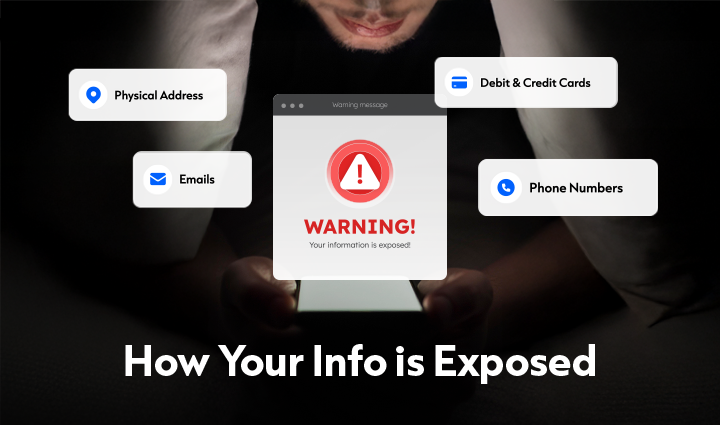
Data brokers collect and sell profiles that may include:
- Child’s name and age
- Home address
- Family relationships
- Parent contact information
This information fuels targeted scams and identity misuse. For a deeper explanation of how this ecosystem works, see The Truth About Data Brokers.
3. Phone Numbers and Email Accounts
Family phone plans and shared emails are common attack vectors. SIM swapping and account recovery hijacking often start with basic personal data.
The Cybersecurity & Infrastructure Security Agency recommends monitoring account changes and enforcing strong authentication — but families rarely apply these practices consistently across all members.
4. Early Warning Identity Signals
Parents should pay attention to:
- Mail addressed to children that doesn’t make sense
- Calls from debt collectors for unknown accounts
- Unexpected government or financial notices
- Background check issues for teen jobs
These are often the first visible signs of long-running identity misuse.
Why Family-Level Identity Protection Matters
Identity protection works best when it’s applied at the household level — not as isolated individual accounts.
A family-focused approach allows:
- Unified monitoring across adults and children
- Early detection of exposure tied to shared data
- Centralized response when issues arise
- Consistent removal of family data from broker sites
This is where modern platforms like Clever Shield differentiate themselves.
How Clever Shield Protects Families Differently
Clever Shield is built around the reality that identity risk doesn’t stop with one adult credit file.
Automated Data Broker Removals
Clever Shield continuously removes personal and family-linked data from hundreds of data broker sites — and keeps it removed, reducing long-term exposure.
24/7 Identity Monitoring Beyond Credit
The platform monitors signals tied to:
- SSN exposure indicators
- Email and phone data leaks
- Dark web identity listings
- High-risk identity activity patterns
Family Coverage and Centralized Alerts
Parents receive actionable alerts without needing separate tools for each family member.
Full Identity Restoration
If something does go wrong, Clever Shield’s restoration team handles disputes, affidavits, and bureau coordination — critical when minors are involved.
$1 Million Identity Theft Insurance
Financial protection adds a safety net for worst-case scenarios that can affect entire households.
The Bottom Line for Parents in 2026
Child identity theft is no longer rare, and it’s no longer easy to detect.
Monitoring credit alone is not enough — especially when children don’t even have credit files yet.
Modern family protection requires:
- Monitoring identity exposure, not just credit
- Removing data upstream before it’s abused
- Responding quickly when early signals appear
- Covering the entire household, not just one adult
If you want to understand how exposed your family already is, running a free Clever Shield scan can reveal which data brokers and sources already have your information — before it turns into long-term damage.