Identity theft in 2026 is no longer a problem of stolen passwords or leaked emails — it’s a problem of AI-driven fraud, hyper-accurate deepfakes, aggressive data brokers, synthetic identities, and scam networks that operate at machine speed.
And yet, most people are still relying on “protection tools” that were designed for threats from 10 years ago.
If it feels like identity theft keeps getting worse every year, it’s because it is. And unless your protection evolves at the same speed as the criminals, you’re playing a game you cannot win.
Identity Theft in 2026: The Perfect Storm
AI-made scams are now indistinguishable from real people
Scammers no longer need to guess passwords or send poorly written phishing emails.
They can now:
- Clone a voice with 10 seconds of audio
- Generate deepfake videos that look real
- Reproduce writing patterns instantly
- Build synthetic identities that bypass basic checks
These attacks are why traditional identity theft protection models (passwords, credit freezes, bank alerts) fall apart. They were never built for AI adversaries.
Data brokers have exploded in number and accuracy
In 2026, more than 5,000+ data brokers operate in the U.S. alone — some legal, some in the shadows.
They collect:
- Your home address
- Previous addresses
- Phone numbers
- Emails
- Family members
- Income ranges
- Court records
- Browsing behavior
- Purchases
- Location data
- Social media activity
This is the fuel scammers use to make AI scams so convincing.
(Open-source confirmations exist through the FTC identity theft guidance and CFPB fraud education, both showing how data exposure accelerates fraud.)
Your information spreads faster than you can freeze it
Even if you freeze your credit, change your passwords, or delete old accounts, data brokers republish your information every 48–72 hours.
You remove your phone number today — it reappears next week.
You opt out of one broker — seven more buy your profile.
Basic protection can’t keep up. It reacts. It doesn’t prevent.
Why Traditional “Protection” No Longer Works
1. Antivirus doesn’t stop identity theft
It only stops malware on your device.
But identity theft now happens outside your devices — through brokers, breaches, AI cloning, and stolen credentials traded online.
2. Password managers can’t stop synthetic identities
Even with perfect password hygiene, your:
- SSN
- phone number
- address
… can still be weaponized to open accounts in your name.
3. Credit freezes don’t protect existing accounts
A freeze only stops new credit.
Fraud today targets:
- bank accounts
- tax returns
- IRS refunds
- medical benefits
- utilities
- phone plans
- social accounts
- insurance claims
A freeze is helpful, but it is not identity protection.
4. Bank alerts come AFTER the damage
Banks only alert you once the fraud is already executed.
That’s not prevention — that’s post-incident cleanup.
5. “Free monitoring” doesn’t remove your data
Most free tools do nothing more than alert you that your information has been leaked — but they never:
- remove your data
- pressure brokers to delete it
- monitor dark web exposure
- handle restoration
- provide insurance
- stop re-exposure
In 2026, alert-only tools are the new “flip phones”: outdated, slow, reactive.
A Real Example: How Fast an Identity Can Collapse in 2026
A man in Texas received a voicemail from his “daughter” saying she crashed her car and needed money.
The voice was identical.
But it wasn’t her.
The scammers used:
- her public TikTok videos for the voice model
- data broker records for the family tree
- leaked phone numbers
- recent location data from a shopping app
In under 5 minutes, they created a full synthetic scenario.
A basic alert service can’t catch this.
A credit freeze doesn’t stop it.
A password manager doesn’t matter.
This is the new world — and the reason identity theft is growing faster than any security tool designed before 2020.
Why 2026 Requires Modern Identity Protection (Not Outdated Tools)
Identity protection in 2026 must do three things:
1. Remove your personal information from data brokers
If scammers can’t access your data, their AI models can’t target you.
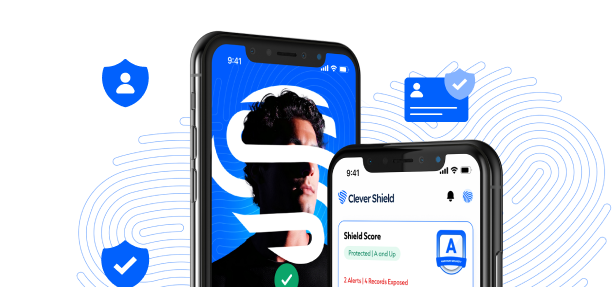
Clever Shield does this automatically — sending removal requests, verifying deletions, and re-scanning broker lists continuously.
Removal is not a one-time task.
It’s ongoing defense.
2. Monitor every corner of the internet in real time
Not just credit.
Not just bank alerts.
Not just a “breach check.”
Real protection requires:
- dark web intelligence
- credential leak detection
- behavioral monitoring
- synthetic identity signals
- data exposure patterns
This is where tools like Clever Shield outperform legacy systems — they scan where threats originate, not where they end.
3. Provide full identity restoration when something happens
Most companies tell you:
“We found a problem. Good luck.”
Clever Shield assigns licensed restoration specialists who:
- contact creditors
- dispute fraudulent accounts
- work with agencies
- fix credit records
- track case progress
- prevent reinsertion of bad data
That’s not monitoring.
That’s protection.
The Hidden Problem: Most People Think They’re Safe (They’re Not)
Most Americans believe:
“I have strong passwords — I’m good.”
“I froze my credit — I’m good.”
“My bank monitors my account — I’m good.”
But here are the facts:
- 79% of identity theft happens outside credit reports
- Data brokers enable 90%+ of targeted scams
- AI makes phishing 10× more effective
- 1 in 3 adults experienced identity fraud in the last 24 months
- Most victims discover theft months after it happens
(Confirmed through FTC identity theft guidance, IRS identity theft awareness, and CISA cybersecurity advisories.)
You cannot fight 2026 threats with 2015 tools.
Why Clever Shield Meets the Threat Level of 2026
✔ Automated Data Broker Removals
Clever Shield removes your information from 200+ brokers and continues monitoring so it doesn’t reappear.
✔ Real-Time AI Detection
When your SSN, email, or phone appears in the dark web, breach dumps, or suspicious clusters, Clever Shield alerts instantly.
✔ 24/7 Identity Monitoring
Across:
- financial accounts
- credentials
- dark web
- breach networks
- exposure markets
✔ Full Identity Restoration
Licensed specialists manage the ENTIRE recovery.
✔ $1 Million Fraud Insurance
Covers legal fees, restoration, lost wages, and stolen funds.
✔ Free 60-Second Scan
Shows how many brokers already have your data exposed.
This is the difference between identity monitoring and modern identity protection.
When Basic Tools Become Dangerous
Here’s the truth:
Basic tools make people feel safe —
which is actually less safe than knowing you’re unprotected.
If you rely ONLY on:
- credit freezes
- password managers
- bank alerts
- free monitoring
- antivirus
… you are not protected.
You are informed, maybe.
But protected?
No.
The Threat Has Evolved — Your Protection Must Too
Identity theft keeps getting worse because the attackers are evolving faster than the defenses.
AI gives scammers superpowers.
Data brokers give them ammunition.
Outdated tools give you a false sense of security.
Modern protection requires automation, real-time monitoring, and full restoration — not alerts and guesses.
If you want to see how exposed you already are, run a free Clever Shield scan and get your results in under 60 seconds. This is the first step toward true protection in 2026.